
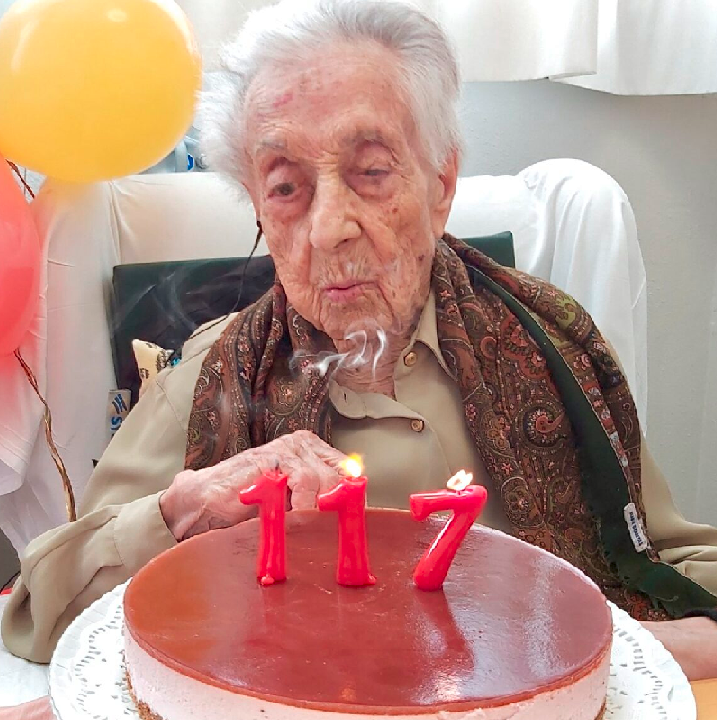
How lucky genes and yogurt helped the world’s oldest woman to live to 117.
When María Branyas Morera turned 116, scientists asked if they could take a peek under the hood. She agreed, cheerfully. Blood, saliva, urine, stool — they wanted it all. What they found was nothing short of astonishing: a multi-layered biological blueprint for surviving 117 years and 168 days.
“She had an exceptional genome enriched in variants in genes that are associated with enhanced lifespan in other species, such as dogs, worms and flies,” Manel Esteller of the Josep Carreras Leukaemia Research Institute in Barcelona told New Scientist.
The Genetics of Living to 117
The research team, led by Eloy Santos-Pujol and Aleix Noguera-Castells, dug into every “-omics” you can imagine: genome, metabolome, proteome, microbiome, epigenome. The paradox they faced was simple: how did someone who had all the classic molecular hallmarks of aging — shredded telomeres, clonal mutations in blood cells, an aged immune landscape — manage to stay so healthy?
The answer, it turns out, is balance.
Her genome carried rare protective variants that seemed to guard her against cardiovascular disease, dementia, and diabetes. Unlike most of us, she lacked the usual culprits: no risky Alzheimer’s mutations and no metabolic-disorder genetic signatures. She even had a mitochondrial system that functioned better than women decades younger.
And yet, her chromosomes told a different story. Branyas’s telomeres were shredded — “the shortest mean telomere length among all healthy volunteers” in the study.
Telomeres are like the plastic tips on shoelaces, capping the ends of our chromosomes and keeping our genetic code from fraying every time cells divide. The problem is, they shrink with age — and when they get too short, cells either stop dividing or start malfunctioning, which has been tied to cancer, heart disease, and dementia. That’s why scientists usually treat short telomeres as a bad omen, a molecular clock ticking down toward disease and death.


