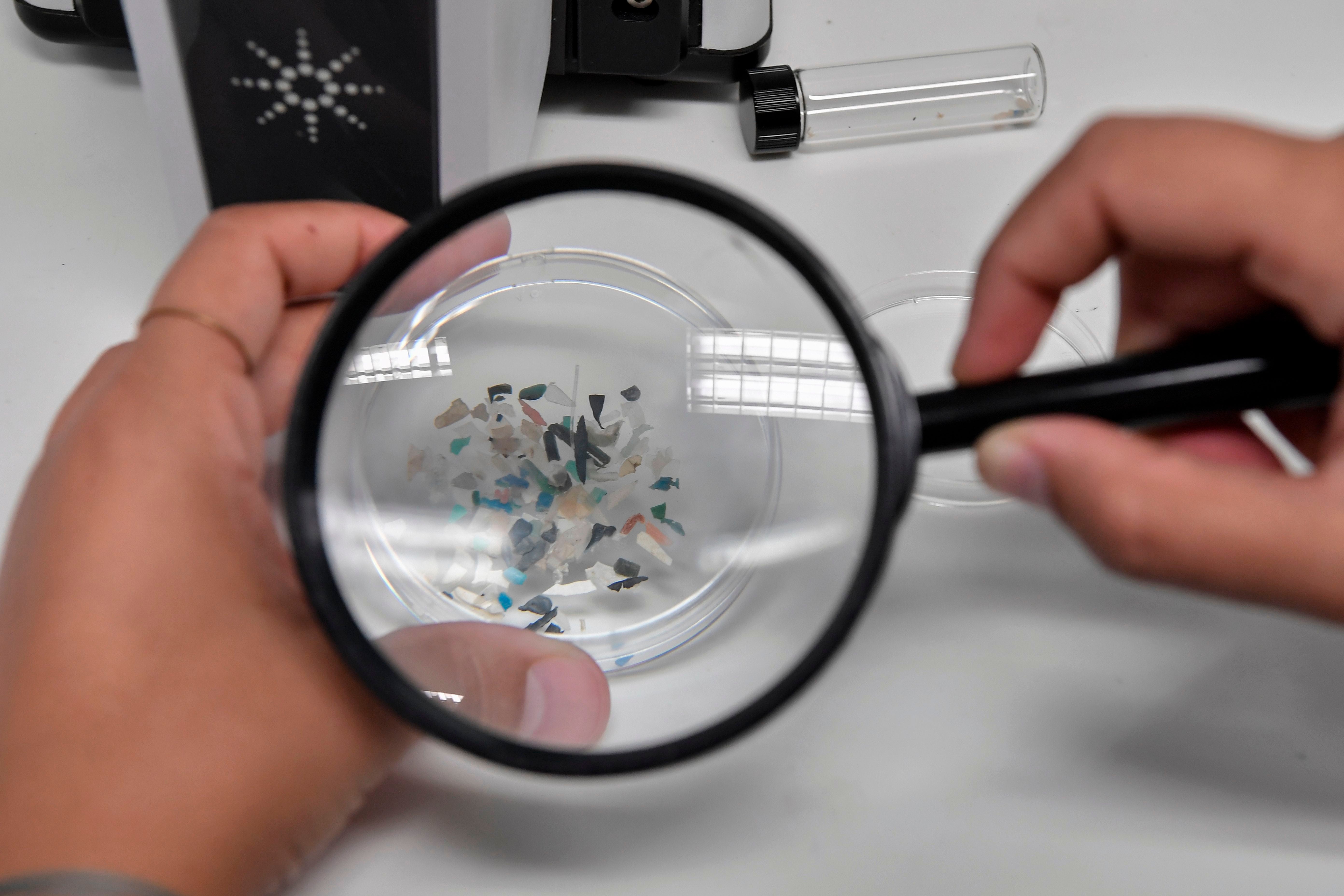
Microplastics may be burrowing into arteries and triggering heart disease, especially in men, according to a new study.
Tiny plastic particles varying in size from about a thousandth of a millimetre to five millimetres are ubiquitous today, present in food, water and air. They are known to enter the bloodstream and even lodge into vital organs.
They are implicated in a range of health conditions, from hormonal disruption, impaired reproduction, neurological damage, cancer, and heart ailments.
In the case of heart diseases, however, it remains unclear whether these particles actively damage arteries or simply accompany the disease.
“Our study provides some of the strongest evidence thus far that microplastics may directly contribute to cardiovascular disease, not just correlate with it,” Changcheng Zhou, professor of biomedical sciences at the University of California, Riverside, and author of the new study published in the journal Environment International, said. “The surprising sex-specific effect – harming males but not females – could help researchers uncover protective factors or mechanisms that differ between men and women.”