
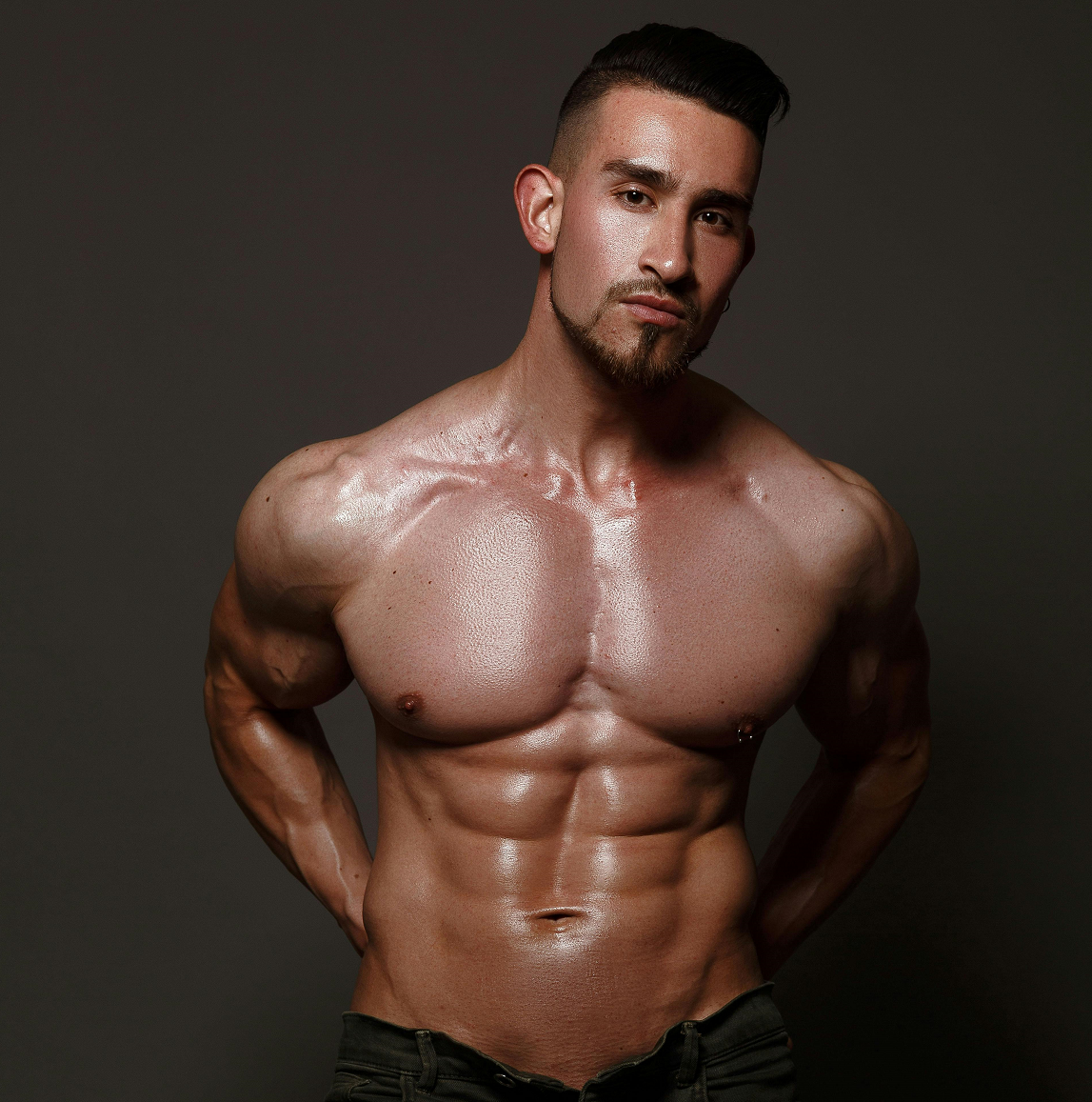
Richard Branson’s Virgin Atlantic raised eyebrows in 2019 when they replaced their flying pinup girl mascot on its aircrafts, with amongst others, a beefy boy wearing a pride-coloured lycra.
Virgin’s fleet of A350-1000 also featured a diversity of cultures and ethnicities in the name of inclusivity – and it worked. Beefcakes are back, baby! The terms pin-up (or cheesecake) and beefcakes (attractive musclemen), are depictions of semi-naked women and men dating back as far as the 1800s. These sexy, provoking images were used to boost morale during the world wars in the previous century. Their popularity is mostly due to artists like the painter Alberto Vargas who, before digital media, painted pictures of popular models that were sold and ‘pinned up’ in public spaces. Pinups did not only become a trend but also a social phenomenon that still thrives today.
Mass-produced pinup art took the world by storm. Sexy women were featured in public places, on magazines, recruitment posters and eventually became synonymous with titles like Playboy. It was the beginning of the era of women’s emancipation, allowing women to showcase their bodies comfortably and publicly. They gained more freedom – sexually as well as socially. Simple things like riding a bicycle or competing in sports like tennis allowed them to be more desirable and less restricting. Set against the backdrop of war and depression, pinup art was the playful pornography of the 1930s and ’40s. Pinup models were printed and pinned on everything from ships to submarines and calendars to postcards. Across cultures they’re still featured everywhere, whether it is a sexy dancing Hawaiian figurine shaking her straw-skirt profusely on dashboards or a propagating girl on a poster. These images were culturally influential because women in the 1930s were expected to cover their bodies, more than men. But boundary breakers like models, artists and actors such as James Dean, Bettie Page and Marilyn Monroe, made pinup modelling a worldwide trend and paved the way for new ways of thinking about fashion, art, pornography and nudity. Like a bombshell – a breathtakingly beautiful and glamorous woman – pinups hit the world with a bang. So why is a picture of a semi-naked, back-bent sexual figure of cultural significance? you might ask. Because still today pinup modelling is an art form with a massive online following, setting trends and influencing fashion. It’s often associated with glamorous vintage as portrayed in Burlesque (2010) starring Sher and Christina Aguilera. Along with commercial modelling, fitness modelling, runway, promotional, erotic and catalogue modelling, pinup influencers and models are extremely popular. Locally, you’ll find two-toned, muscled boertjies posing in brands like Boerboel. The pinup tradition is also kept alive by printed media such as Men’s Health, Women’s Health, glamour and gay magazines.
Modern pinup models, especially females, are mostly portrayed as in control, strong and even badass. Actresses such as Angelina Jolie, Charlize Theron, Jennifer Lopez, Scarlett Johansson, Halle Barry and Sandra Bullock frequently embody daring and desirable figures in the male-dominated action entertainment scene. In South Africa it’s no exception. In the ‘90s we had marching, short-skirted trompoppies (majorettes), and rock band inspired images of Springbok Nude Girls. You’ll also remember the MTN Gladiators in their red, blue and yellow skintight leotards showing off their merchandise in places like Wimpy. Like gladiators, beefcakes are muscled, manly and playful. Think of Dwayne Johnson and Zac Efron in the 2017 Baywatch. Raunchy muscle men in pinup poses have become a trend on all kinds of surfaces, even as decoration. Cocky, cartoonish cowboys scattered sexually all over Café Manhattan’s interior in Cape Town is a perfect example of pinups made popular. It’s pink and inviting, also alluring, but not too explicit for you to be bothered by the sexy pinned up Texan winking from the wallpaper while you’re enjoying a Dirty Texan beef burger. Beefcakes, the burger bars in Cape Town and Sandton as well as the dinner theatre in Pretoria, conveys the same feel and carries the same tradition, topped off with tight shirts as servers.
Pinup modelling opened the door for artful eroticism, even appreciation of pornography that still flourishes today. Pinned-up posters paved a way for women to be more body positive, more revealing and essentially more equal to men. Even the primary playboy himself, Hugh Hefner, believed that styles change, but that our view of beauty stays the same. And the pinup, as an iconic, influential figure of beauty, is the golden thread that reconciles pornography and art. They convey diversity and even inspiration. That’s why pinups are some of the most enduring sociosexual symbols of our time and will be for long to come.
Source: Gay Pages Edition 3 of 4, 2024


