
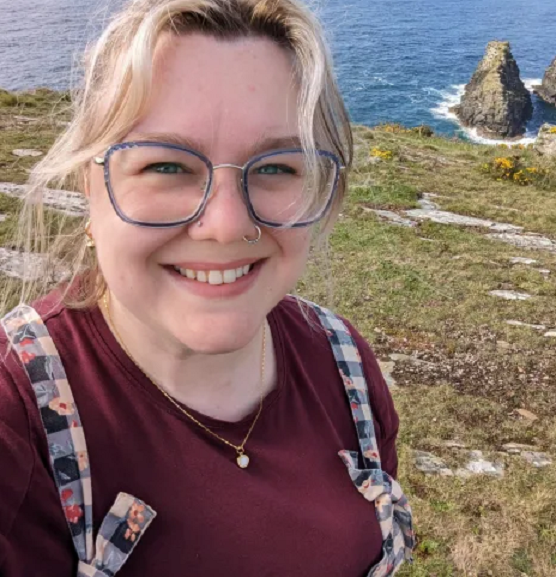
Let me explain, as it took me 30 years to realise my identity.
By Emma Flint
‘When did you decide this? Is this even a label – I’ve never heard of it. I support you, obviously, but this doesn’t sound real.’
Just some of the words that greeted me when I came out as abrosexual to a close friend, back in 2020.
Needless to say, we’re not friends anymore.
For those of you who don’t know what abrosexuality is, in layperson’s terms, it simply means when someone’s sexual identity fluctuates and changes.
I read and re-read the text, the dismissiveness of their message cutting deeper each time. Here I was, sharing my identity with someone I trusted, only for them to scoff at my words.
Although the easy defence is that you can’t determine someone’s tone from a text message, I think it’s clear that the vibe was far from supportive. It was judgmental, and immediately doubtful.
Sadly, this person isn’t the only one who has voiced their opinions on my abrosexuality – and I doubt they’ll be the last.
When I was growing up, I’d never heard the term abrosexual – you were either straight, gay, or lesbian as far as nineties society was concerned. Anything else was made up.


