
Why natural stones are falling and lab-growns are rising. Choosing your wedding stone.
In 2025 the diamond market is experiencing a notable shift that is reshaping how consumers think about these iconic gemstones. Once symbolic of rarity and enduring value, natural diamond prices have been declining – even as lab-grown diamonds become dramatically cheaper and more popular.
Industry data shows that natural diamond prices in shops have dropped by around 26 per cent over the past two years, with the average one-carat natural stone falling from roughly $6,800 in mid-2022 to about $5,000 by the end of 2024. Meanwhile lab-grown diamonds have plunged even further in price, now typically costing 70–90 per cent less than equivalent natural stones and sometimes selling well under $1,000 per carat. (I’ll leave you to do your own conversion to rand.)
Natural diamonds are not rare, especially in the sizes we are talking about here. In fact, there is a massive global surplus.
There are several reasons behind this dramatic evolution lab diamonds. Production technologies for lab-grown diamonds have improved substantially and costs have come down as manufacturing scales up, particularly through chemical-vapour deposition (CVD) and other controlled growth processes. Unlike mined diamonds, which are tied to geological scarcity and expensive extraction, lab-grown stones can be created relatively quickly and in consistent quality.
As lab-grown diamonds become more affordable, they rarely carry the same resale value as natural stones – primarily because they lack scarcity and market tradition. But for many couples that’s not a deterrent. Instead, the cost savings allow buyers to choose larger or higher-quality stones, or to allocate budget into more elaborate settings and designs.
This shift is also reflected in broader purchasing trends. Research from wedding industry analysts has found that a growing proportion of couples are choosing lab-grown diamonds for engagement rings, with more than half opting for them according to some recent studies.
Nonetheless, not all buyers are abandoning natural diamonds. For some, tradition, sentimental value, or the appeal of a mined gem’s provenance still carry weight. Highly rare or coloured natural diamonds, in particular, can retain prestige and value even in a market marked by affordability.
Reimagining Rings for Gay Weddings and Engagements
With evolving norms around gender and identity, many couples today seek rings that reflect their personal style, values and story – often moving beyond traditional solitaire diamond classics. Here are several ideas and inspirations for gay wedding and engagement rings, incorporating both diamonds and alternative gemstones:
- Bold Rainbow and Pride-Inspired Bands
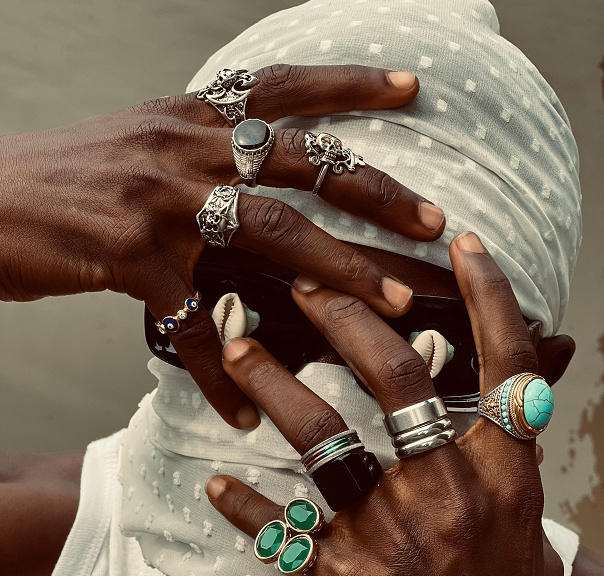
For couples who want symbolism front and centre, rings featuring rainbow gemstones or accents are a joyful choice. Pieces set with multicoloured sapphires, tourmalines, or even emeralds and rubies can be arranged in rainbow patterns or subtle colour gradients across a band. Some jewellers offer specifically designed rainbow pride rings where the colours wrap around the circle, celebrating identity and unity together.
- Mixed Gemstone Solitaires
Instead of a single diamond, consider a solitaire of a different stone that has personal meaning. Sapphires (traditionally we think of them as being blue, but they are available in every colour except red, which is when they’re called rubies), emeralds, and rubies all make striking engagement stones that can work beautifully in partnership rings. Bicolour or parti-coloured sapphires, for instance, offer a unique centrepiece that stands out from conventional choices.
- Custom Engraved Bands with Stones
Many couples now personalise rings with engraved messages, dates or coordinates, paired with small accent stones. Whether you go for lab-grown diamonds, coloured gems, or a combination, engraving adds a layer of intimacy and storytelling. Choosing a stone with personal significance – perhaps a birthstone or colour representing something meaningful to the couple – can make the ring truly yours.
- Dual-Stone Rings for Couples
Another creative option is a dual-stone ring, where each partner’s chosen gemstone is set side by side. For example, a deep blue lab-grown sapphire paired with a rose-cut emerald or pink diamond can symbolise two individuals coming together. These designs can be mirrored across both partners’ rings, strengthening the sense of shared connection.
- Vintage and Antique-Inspired Settings
For a look that blends history with personal identity, many jewellers create vintage-inspired rings using coloured gemstones as centrepieces. Art deco styles with geometric sapphire and emerald combinations evoke elegance and can be especially meaningful for those drawn to heritage aesthetics.
The Best of Both Worlds
As the diamond market evolves, couples today have more choice than ever. The collapse of traditional pricing models means that whether you prefer a classic diamond, a larger lab-grown stone, or a colourful gemstone ring, you can find something that celebrates your relationship in a way that feels authentic and meaningful.
One caveat though – opt for harder stones, as soft stones like opal (Libra’s main birth stone) is very soft. Luckily Librans have an alternative in tourmaline that comes in a variety of different colours.
Ultimately, what matters most is the story the ring tells – and with prices transforming and creative designs flourishing, there has never been a more exciting time to find one that truly reflects you both.


